
Social Media Safety Tips for Teens in 2026
Social media looks different in 2026. AI can fake almost anything, and scams are smarter. Here’s what teens and parents should know.
1. Assume any video could be fake
AI can create realistic people and voices. If a video asks for money, a password or something urgent, stop and check with someone you trust. How to tell if a video is AI.
2. Don’t share exactly where you are
- Don’t post your home, your school name or your daily routine
- Wait until you’ve left a place before posting it
- Check what location an app shows on your posts
3. Keep your personal info private
Never share your address, phone number, passwords or school schedule, even with someone who seems friendly.
4. Know how to block and report
Every app should let you block and report. Learn where those buttons are before you need them.
5. Talk to an adult you trust
If something feels off, it probably is. Screenshot it and tell a parent, teacher or counselor.
For parents
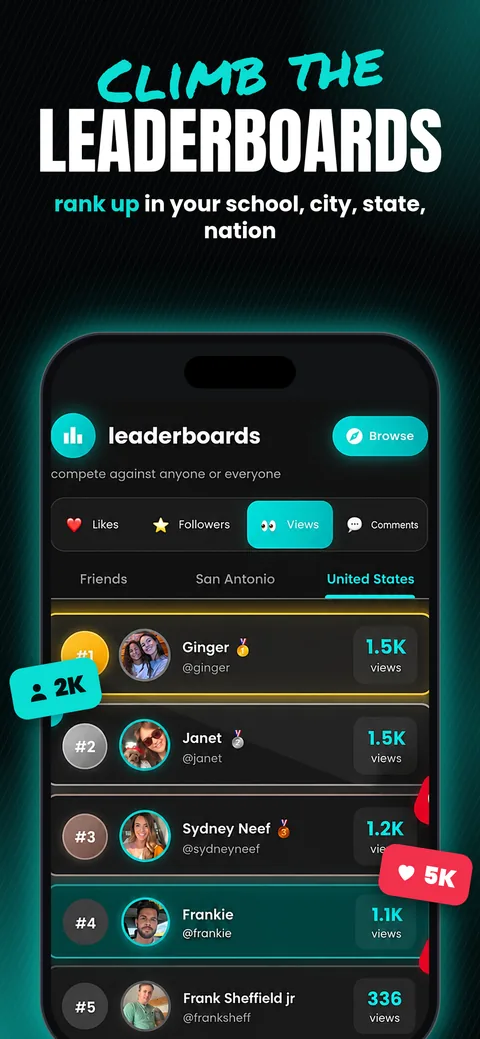
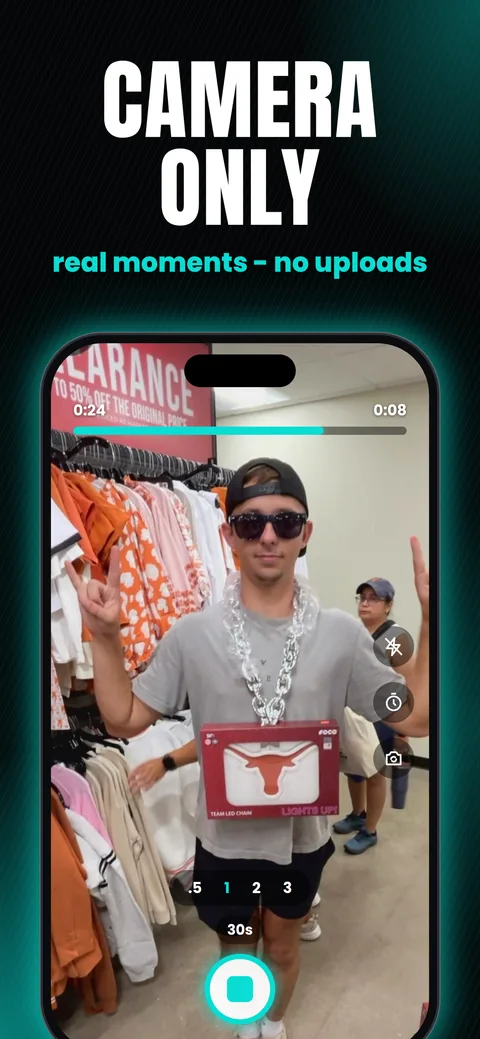
Ask your teen to show you the apps they use and how each one works. If your teen uses Portal, read our parents’ guide, which explains exactly what’s public, what location is shown and how reporting works.
Frequently asked questions
What are the biggest social media risks for teens in 2026?
AI-generated fakes and voice scams, oversharing location and personal info, and contact from strangers.
How can teens share safely?
Don’t post your home or school, post places after you’ve left, keep personal info private, and know how to block and report.
Real people. Real places. No AI.
Portal just launched. Free on iPhone, live everywhere in the US.